
Roger Parker
About Roger Parker
Sudoku Mastery Journey Through Logic Challenge and Daily Fun
Introduction to Sudoku
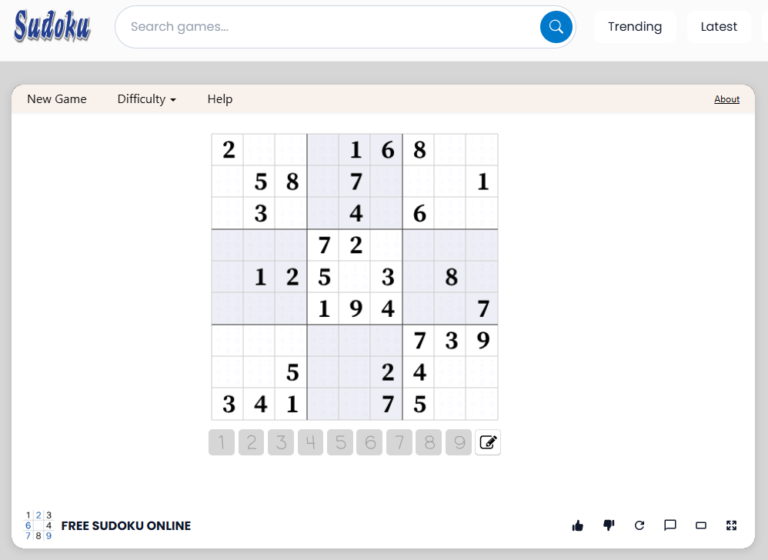
Sudoku is one of the most popular puzzle games in the world. Millions of players enjoy Sudoku every day because it combines logic, concentration, and problem-solving skills in a simple format. The puzzle consists of a 9×9 grid divided into nine smaller 3×3 sections. The goal is to fill every empty cell with numbers from 1 to 9 while ensuring that each row, column, and section contains every number exactly once.
Unlike many other games, Sudoku does not rely on luck. Every puzzle can be solved through logical thinking and careful observation. This unique characteristic makes Sudoku appealing to players of all ages and experience levels.
Why Sudoku Remains Popular Across Generations
A Simple Concept with Endless Possibilities
One of the biggest reasons behind the lasting popularity of Sudoku is its simplicity. The rules are easy to understand, even for beginners. At the same time, advanced puzzles can provide significant challenges for experienced players.
Every Sudoku puzzle offers a different arrangement of numbers, creating countless possibilities. This variety keeps the experience fresh and engaging, encouraging players to return again and again.
Accessible for Everyone
Sudoku can be played almost anywhere. Traditional newspapers continue to publish daily puzzles, while digital versions are available on websites, smartphones, and tablets. This accessibility allows people to enjoy Sudoku during commutes, breaks, or relaxing evenings at home.
The game does not require expensive equipment or special knowledge. Anyone can start playing within minutes and gradually develop stronger solving skills.
How Sudoku Works
Understanding the Grid Structure
A standard Sudoku puzzle contains 81 cells arranged in nine rows and nine columns. These cells are grouped into nine smaller boxes. Some cells already contain numbers, while others remain empty.
The challenge is to complete the grid by following three essential rules. Every row must contain the numbers 1 through 9. Every column must also contain the numbers 1 through 9. Finally, every 3×3 box must include the numbers 1 through 9 without repetition.
These straightforward rules create surprisingly deep and rewarding puzzles.
The Role of Logic
Success in Sudoku depends entirely on logic. Players examine existing numbers and determine which values can fit into empty spaces. As more cells are completed, additional clues become available, leading to further progress.
This process encourages careful thinking and strategic decision-making. Many players find satisfaction in gradually uncovering the solution through reasoning rather than guesswork.
Benefits of Playing Sudoku
Improving Concentration
Sudoku requires focused attention. Players must analyze rows, columns, and boxes while tracking possible number placements. Regular practice can help improve concentration and mental discipline.
Many people enjoy Sudoku because it provides a productive way to exercise the mind during free time. The need for sustained focus makes the game both entertaining and beneficial.
Strengthening Problem-Solving Skills
Every Sudoku puzzle presents a challenge that must be solved through logical analysis. Players learn to evaluate information, identify patterns, and eliminate incorrect possibilities.
These problem-solving techniques can be useful beyond the puzzle itself. Consistent engagement with Sudoku may help develop analytical thinking that supports everyday decision-making.
Encouraging Patience and Persistence
Not every puzzle can be completed quickly. Difficult Sudoku challenges often require patience and determination. Players may need to revisit earlier assumptions and explore different logical paths.
This experience teaches persistence and rewards careful effort. Completing a challenging puzzle often creates a strong sense of accomplishment.
Strategies for Solving Sudoku Efficiently
Start with Obvious Numbers
Beginners should begin by identifying cells that have only one possible value. Filling these easy positions helps reveal additional opportunities throughout the grid.
This approach creates momentum and reduces the complexity of the puzzle. Even difficult Sudoku challenges often become manageable when solved step by step.
Scan Rows and Columns
Careful scanning is one of the most effective Sudoku techniques. Players can examine rows and columns to determine which numbers are missing and where those numbers can logically fit.
Consistent scanning helps uncover hidden opportunities and prevents important clues from being overlooked.
Use Elimination Techniques
Elimination involves removing impossible options from consideration. By analyzing surrounding numbers, players can narrow down potential values for each cell.
As the list of possibilities becomes smaller, the correct answer often becomes clear. This method forms the foundation of many successful Sudoku strategies.
Different Types of Sudoku Puzzles
Classic Sudoku
Classic Sudoku remains the most widely recognized version of the game. It follows the traditional 9×9 format and focuses entirely on logical number placement.
Many beginners start with classic Sudoku because it provides a strong foundation for understanding the core mechanics of the puzzle.
Mini Sudoku
Mini Sudoku uses smaller grids, making it ideal for quick gaming sessions. These puzzles can often be completed in just a few minutes while still delivering a satisfying challenge.
Mini versions are especially popular among newcomers who want to practice basic solving techniques.
Advanced Variations
Over time, developers have introduced many creative Sudoku variations. Some versions add diagonal requirements, irregular shapes, or additional constraints. These modifications create fresh experiences while preserving the logical nature of the game.
Advanced variations attract experienced players who seek new challenges beyond the standard format.
Sudoku in the Digital Age
Online Platforms and Mobile Apps
Technology has expanded access to Sudoku dramatically. Online platforms offer puzzles across multiple difficulty levels, allowing players to choose challenges that match their abilities.
Mobile applications provide convenient access to thousands of puzzles. Features such as hints, progress tracking, and daily challenges enhance the overall experience.
Global Community Growth
The internet has helped create a worldwide Sudoku community. Players can share strategies, discuss techniques, and participate in competitions with enthusiasts from different countries.
This global connection has contributed to continued interest in Sudoku and introduced the puzzle to new generations of players.
Conclusion
Sudoku remains one of the most engaging logic puzzles ever created. Its simple rules, intellectual challenges, and universal accessibility have helped it maintain popularity across decades. Whether played in a newspaper, on a website, or through a mobile application, Sudoku provides a rewarding mental exercise that combines entertainment with skill development.
From improving concentration to strengthening problem-solving abilities, Sudoku offers benefits that extend beyond the puzzle grid. As more players discover the appeal of logical thinking and strategic analysis, Sudoku continues to stand as a timeless favorite in the world of puzzles and brain games.
No listing found.